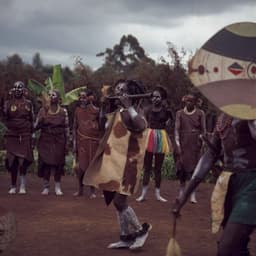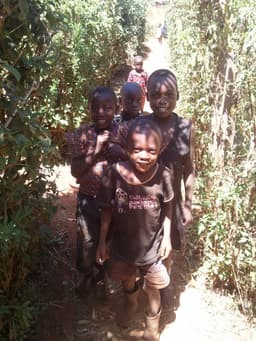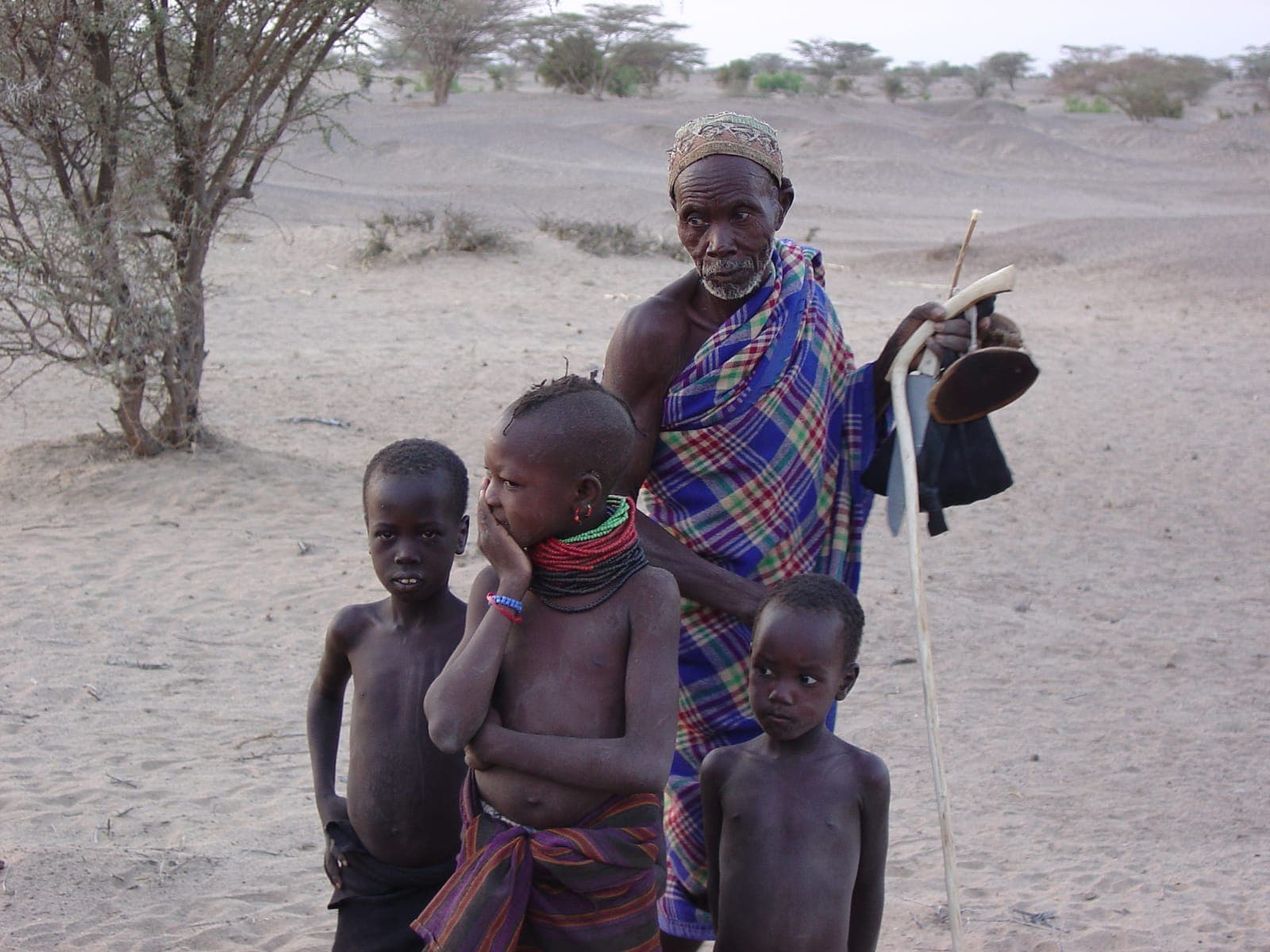
The Turkana people are the dominant community around Lake Turkana and much of Kenya's arid far north, traditionally pastoralist herders of cattle, camels, goats and sheep, supplemented in lakeside communities by fishing — a combination adapted over generations to one of the most challenging environments in East Africa.
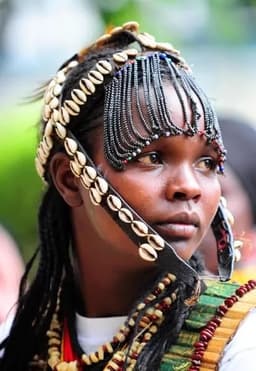
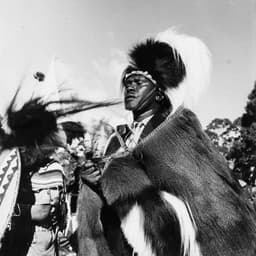
Turkana material culture is visually distinctive: elaborate beaded necklaces and headwear, particularly among women, along with traditional stools, hairstyles and dress that differ noticeably from communities further south and are immediately recognisable to anyone familiar with Kenya's ethnic diversity. Traditional homesteads are built to suit the semi-nomadic, arid-adapted lifestyle, generally more portable and practical than the more permanent structures found in wetter parts of the country.
Engaging with Turkana culture respectfully
- Visits to Turkana communities are best arranged through local guides with established community relationships.
- Ask before photographing individuals, and expect that some form of fair payment or purchase supports the community directly.
- Understanding the environmental pressures — recurring drought, lake-level changes — gives important context to daily life here.
- Craft markets in towns like Lodwar offer a chance to buy Turkana beadwork directly from makers.
A respectful visit to Turkana communities adds essential human context to the Lake Turkana region's more famous geological and palaeoanthropological draws — a reminder that this remote landscape is very much a living home, not just a scientific site.