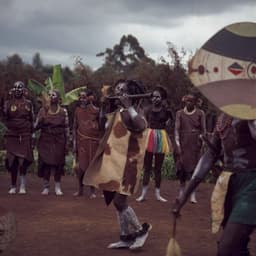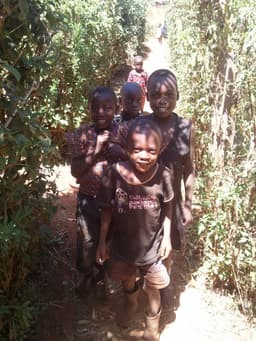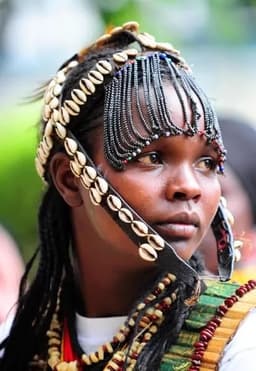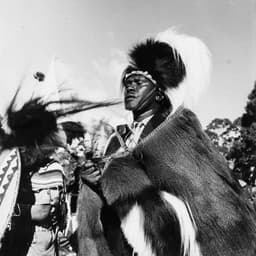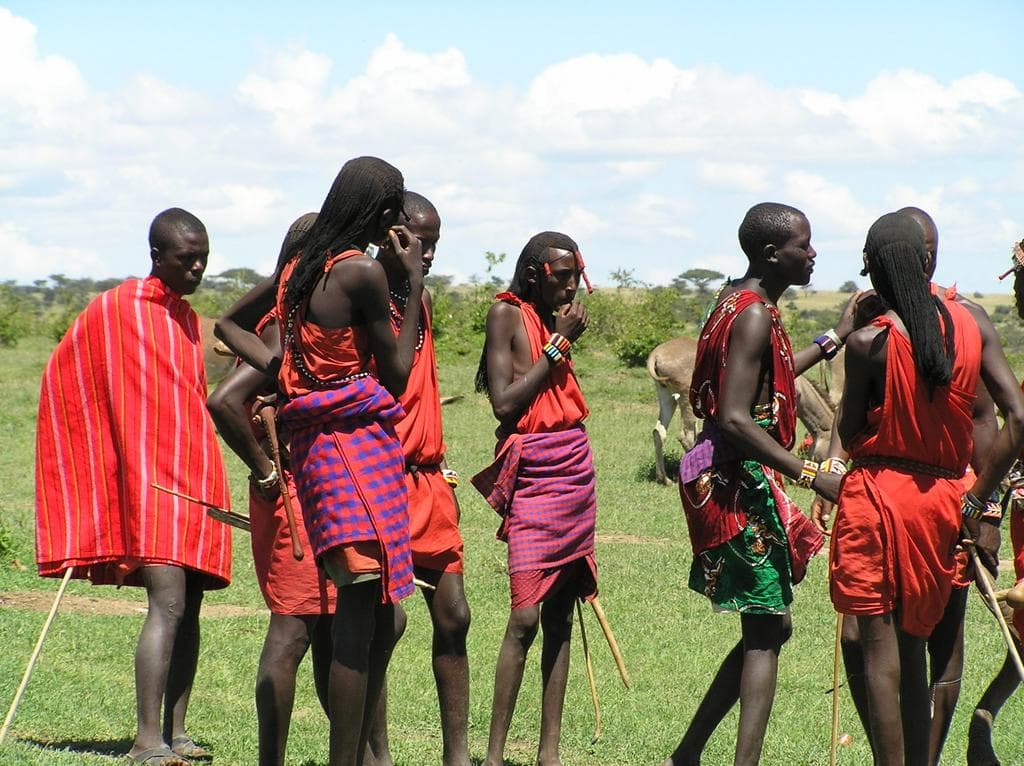
The Maasai are among the most recognisable of Kenya's ethnic communities, their distinctive red shuka cloth, beaded jewellery and semi-nomadic, cattle-centred way of life closely tied to the landscapes around the Mara and much of southern Kenya and northern Tanzania. Many conservancies and camps around the Maasai Mara arrange visits to a manyatta — a traditional homestead — as part of a broader safari itinerary.
A typical visit includes a welcome with traditional song and the adumu, the well-known jumping dance performed by young Maasai warriors, along with a look inside a traditional dung-and-mud house and an explanation of the community's cattle-herding lifestyle, which remains central to Maasai identity and economy even as many communities also engage with tourism and conservation work.
Visiting thoughtfully
- Choose visits arranged through your camp or a reputable operator with an established, respectful relationship with the community.
- Ask before photographing individuals directly, and expect a fee structure that channels payment to the community, not just a guide.
- Treat it as a genuine cultural exchange rather than a photo opportunity — asking questions is welcomed.
- Craft markets are often part of the visit, a good opportunity to buy beadwork directly from its makers.
Pairing a village visit with your game drives rounds out a Mara trip considerably — the wildlife draws most visitors here, but the people whose land supports that wildlife are just as central to the region's story.