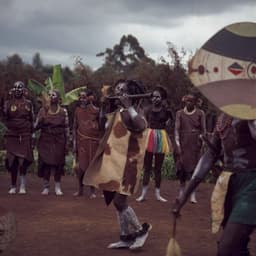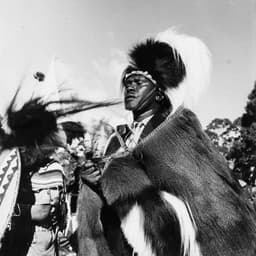
The Wanga are a Luhya sub-group settled around Mumias in Kakamega County, distinguished from virtually every other Kenyan Bantu community by having developed a genuinely centralised kingship structure — the Wanga Kingdom, ruled by a line of kings (Nabongo) — a striking exception to the decentralised clan and elder-council governance systems typical of most Kenyan Bantu societies, including the Wanga's own Luhya neighbours.
Historians trace the development of centralised Wanga kingship to strategic advantages of location and trade, positioned along historically significant trade routes connecting the interior to the coast and to neighbouring Buganda's much larger and longer-established kingdom system in present-day Uganda, from which Wanga political structures may have drawn some organisational influence during centuries of contact and exchange.
Colonial collaboration and controversy
The Wanga Kingdom's most historically significant, and still debated, period came during the early colonial era, when Nabongo Mumia, the kingdom's ruler at the time, entered into cooperative arrangements with incoming British colonial authorities, assisting colonial administration and military campaigns against neighbouring communities in exchange for recognition and expanded influence for the Wanga kingdom itself. This collaboration remains a genuinely contested historical legacy — viewed by some as pragmatic statecraft that protected Wanga interests during an era of overwhelming external pressure, and by others, including some neighbouring communities affected by colonial campaigns the Wanga assisted, more critically.
The kingship today
Remarkably, the Wanga kingship survives today as an active ceremonial and cultural institution, with a recognised Nabongo continuing to hold symbolic authority and presiding over Wanga cultural events and ceremonies, even though it holds no formal governmental power under Kenya's modern constitutional structure — a genuinely rare survival of indigenous Kenyan monarchy into the present day, drawing periodic academic and cultural heritage interest.
Mumias and the sugar economy
Mumias, the historical Wanga capital, later became closely associated with Kenya's sugar industry through the establishment of the Mumias Sugar Company, one of the country's largest sugar processing operations for decades, though the company's more recent financial difficulties have significantly affected the local economy that grew up around it.
Exploring Wanga history and culture
- Nabongo Mumia's palace and associated cultural sites near Mumias welcome visitors interested in Kenya's unique surviving indigenous kingship tradition.
- Approach the kingdom's colonial-era collaboration history with genuine nuance — it remains a legitimately debated and sensitive chapter even within Luhya and broader western Kenyan historical memory.
- Kakamega, covered elsewhere on this blog, offers a practical base for exploring the wider Wanga and Luhya cultural region.
- Wanga cultural ceremonies and Nabongo public appearances offer a rare living glimpse of functioning traditional Kenyan monarchy.
As Kenya's only community to have maintained a continuous, centralised royal institution from the pre-colonial period into the present day, the Wanga occupy a genuinely unique place in the country's political and cultural history.