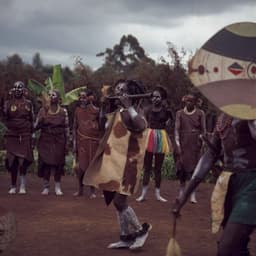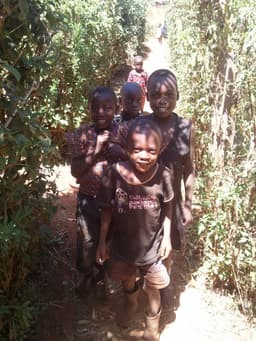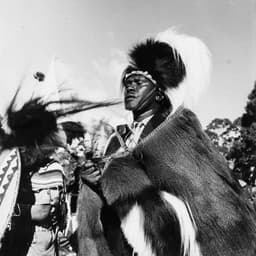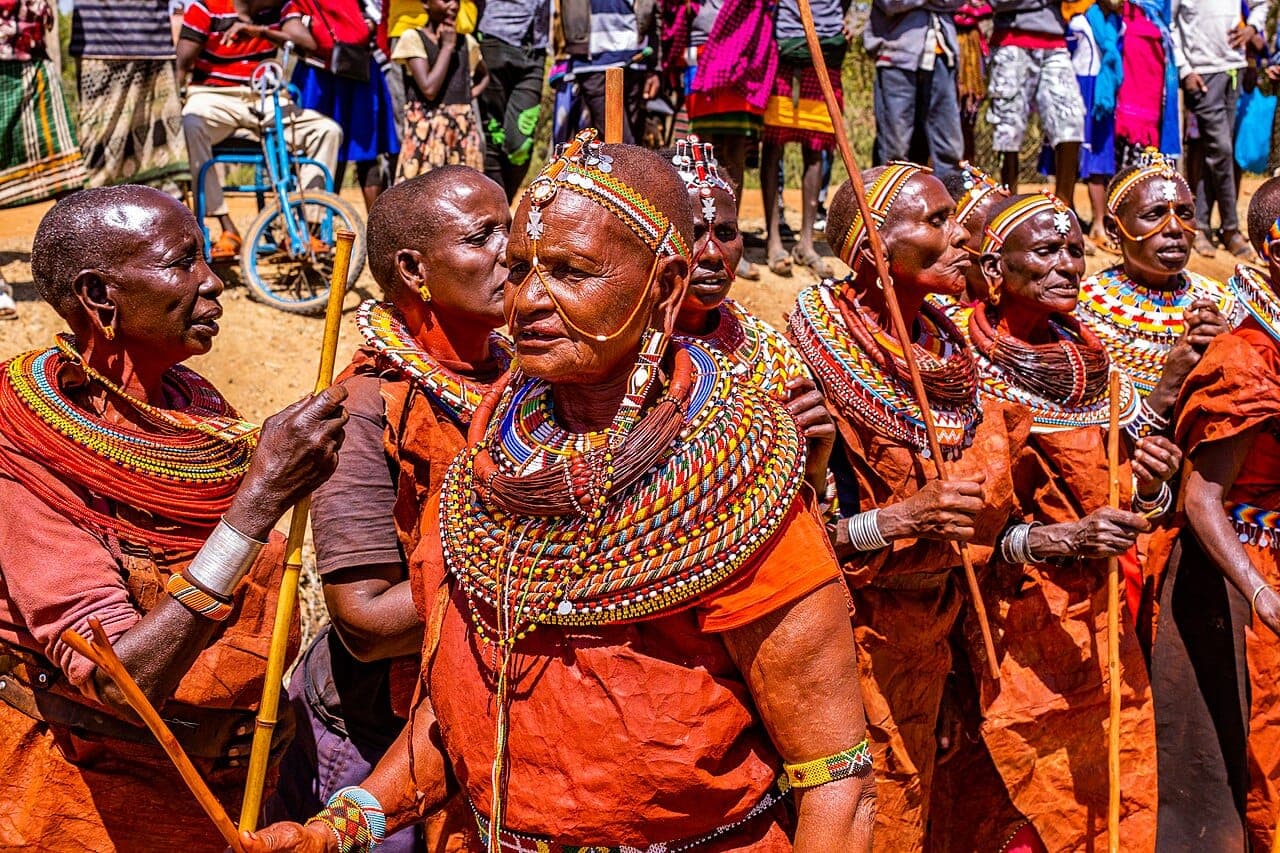
The Yaaku are a small community associated with the Mukogodo Forest area in Laikipia County, near Mount Kenya's northern fringe, historically living as hunter-gatherers within this forest ecosystem before gradually shifting, over recent generations, to a more pastoralist lifestyle and adopting the Maa language shared with their larger Samburu and Maasai neighbours — a pattern of economic and linguistic assimilation broadly similar to the Suba's shift toward Luo language covered elsewhere on this blog, though in the Yaaku's case producing a considerably more severe language endangerment outcome.
The original Yaaku language, believed to be a distinct Cushitic tongue related distantly to languages like the El Molo's own endangered language covered elsewhere on this blog, had, by the late 20th century, dwindled to only a handful of elderly speakers, placing it among the most critically endangered languages in Kenya alongside the Dahalo and El Molo languages also covered on this blog.
An active language revival effort
What distinguishes the Yaaku's situation from several other endangered Kenyan language communities is a genuinely active, community-led language revival effort launched in recent years, working with linguists to document remaining elder speakers' knowledge and reintroduce basic Yaaku vocabulary and cultural terms into community life, schools and cultural programming — a deliberate, hopeful counter-effort to the otherwise typical trajectory of quiet language loss documented among several of Kenya's smallest communities.
Forest conservation and community identity
The Yaaku have also engaged in community-based forest conservation efforts around the Mukogodo Forest, connecting their traditional historical relationship with the forest ecosystem to modern conservation practice, in some respects paralleling the Ogiek's own assertion that indigenous traditional forest use is compatible with, rather than opposed to, forest conservation.
A hopeful counter-narrative
While the Yaaku's original language remains critically endangered, the community's active, documented revival efforts offer a genuinely more hopeful counter-narrative to the otherwise sobering pattern of small Kenyan indigenous language loss documented through this blog's coverage of the El Molo, Dahalo and other communities facing similar challenges.
Understanding Yaaku culture and revival efforts
- The Yaaku's language revival programme represents a genuinely proactive, community-driven model worth understanding as a counter-example to purely passive language loss.
- Laikipia County, covered elsewhere on this blog for its wildlife conservancies, includes the Mukogodo Forest area within its broader geography.
- Approach the community's linguistic and cultural history with genuine appreciation for both the loss involved and the active efforts toward recovery.
- Academic linguistic documentation projects offer the most current, detailed information on the ongoing revival effort's progress.
The Yaaku's active language revival effort offers a genuinely hopeful thread among this blog's broader coverage of Kenya's smallest and most linguistically vulnerable indigenous communities — proof that language loss, while a real and urgent threat, is not always an irreversible endpoint.